





Over 14 Years Experience!
Custom Concrete Walkways for Bay Area Homes
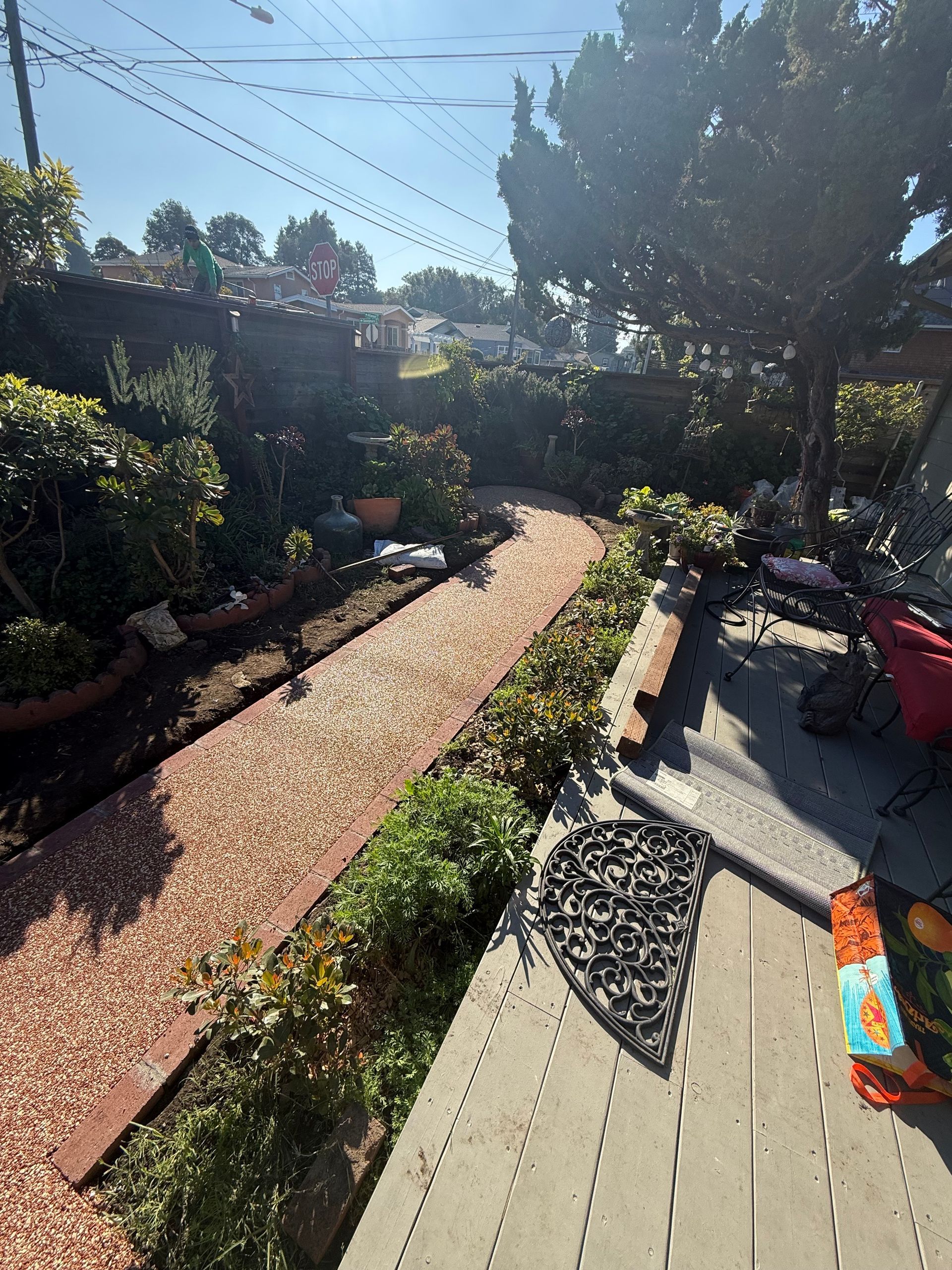
Creating Concrete Pathways That Welcome and Inspire
Every journey through your property should be both safe and scenic. We design and install custom concrete walkways that guide movement gracefully while complementing your landscape architecture. Whether you need practical access to your front door or meandering garden paths that invite exploration, our walkways combine form and function beautifully.
Testimonials
Our Work Speaks for Itself
Custom Walkway Solutions Throughout the Bay Area
Great walkways do more than connect point A to point B—they define spaces, protect landscaping, and enhance your property's flow. With 14+ years serving San Francisco homeowners, O'Hanlon Construction understands how to design pathways that accommodate our region's hills, integrate with existing gardens, and withstand constant Bay Area foot traffic.
From your front entry's welcoming approach to backyard routes connecting entertaining spaces, we create walkways engineered for stability and designed for style. Our installations handle San Francisco's varied elevations while delivering slip-resistant surfaces that remain safe and attractive through every season.
What Defines an Exceptional Concrete Walkway?
Superior walkways balance multiple considerations simultaneously. Proper width ensures comfortable passage, precise grading prevents water accumulation, adequate thickness eliminates cracking concerns, and thoughtful finishing delivers both safety and style. These elements work in concert to create pathways that enhance rather than simply traverse your landscape.
The O'Hanlon Walkway System Includes:
Layout & Design Planning
We analyze traffic patterns, natural landscape features, and grade transitions to design pathways that feel intuitive while maximizing accessibility, creating logical connections between spaces while considering sight lines, sun exposure, and integration with planting beds.
Excavation & Base Preparation
We excavate to specifications and install professionally compacted aggregate bases that provide reliable support, ensuring your walkways remain level for decades—particularly crucial in San Francisco's diverse soil conditions.
Quality Concrete Mix
We select formulations with appropriate compressive strength, workability for forming curves and varied widths, and weather resistance suited to Bay Area exposure, ensuring longevity without over-engineering.
Expert Finishing
Our finishing work delivers surfaces that are safe underfoot while achieving your aesthetic vision, from traditional broom textures to decorative patterns and smooth troweling, with proper technique ensuring adequate drainage and traction regardless of weather.
Drainage Integration
We engineer subtle cross-slopes that channel water away from walking surfaces toward planted areas or drainage systems, preventing standing water, reducing slip hazards, and eliminating erosion concerns during San Francisco's wet season.
What Makes Concrete Walkways the Smart Choice
Garden Protection
Concrete walkways prevent soil compaction in planting beds by directing foot traffic along defined paths. This protects plant root systems and maintains soil health, particularly important in San Francisco's smaller urban gardens where every square foot matters for cultivation.
ADA Compliance Capability
When accessibility is important—for aging in place, guests with mobility aids, or universal design—concrete walkways can be designed to meet ADA slope requirements and provide smooth, stable surfaces. This forward-thinking approach accommodates current and future mobility needs.
Pedestrian Comfort
Properly designed walkways with appropriate width and smooth surfaces make property navigation pleasant rather than challenging. This matters when carrying groceries, pushing strollers, or simply enjoying garden strolls. Comfort encourages outdoor use and appreciation of your landscape.
Weed & Pest Control
Solid concrete pathways eliminate the gaps between pavers where weeds thrive and pests harbor. This reduces maintenance time and chemical usage while creating cleaner, more refined appearances. No more hours spent weeding path joints or addressing ant colonies beneath stepping stones.
Night Navigation Safety
Concrete's light color reflects ambient light and moonlight better than dark materials, improving visibility during evening hours. This natural reflectivity enhances safety for nighttime navigation even before adding landscape lighting, particularly valuable for San Francisco's early-setting winter sun.
Landscape Connectivity
Well-planned walkways create logical connections between outdoor spaces—linking patios to gardens, connecting side yards to backyards, or providing service access to utility areas. This infrastructure maximizes your property's functionality and encourages full use of outdoor areas year-round.
Concrete Walkway Design Options for San Francisco
Your walkways should create pleasant journeys through your property while serving specific circulation needs. We offer specialized options designed for pedestrian movement and garden integration.
Stepping Stone & Solid Path Combinations
Hybrid designs blending poured concrete sections with decorative stepping pads. Creates visual rhythm while reducing concrete volume and allowing better water permeation in planted areas.
Best For:
- Garden paths through planting beds
- Casual, cottage-style landscapes
- Reducing hardscape visual impact
- Creating playful, meandering routes
Design Variations:
- Square or circular pads spaced for natural gait
- Irregular organic shapes mimicking natural stone
- Concrete stepping pads connected by decomposed granite
- Alternating material widths (narrow sections through gardens, wider at destinations)
- Integration with existing stone or pavers
Multi-Width Pathway Systems
Variable-width walkways that respond to function—narrow through tight spaces, wide at gathering areas, extra-wide at entries. Creates dynamic movement through landscape.
Best For:
- Large gardens with multiple destination points
- Properties with space constraints in some areas
- Creating architectural interest through dimension change
- Highlighting specific areas (wider sections draw attention)
Configuration Options:
- 24" service paths to utility areas
- 36" standard garden circulation
- 48-60" primary paths and entries
- 72"+ gathering nodes and viewing areas
- Gradual width transitions vs. dramatic shifts
Embedded Accent Materials
Decorative elements integrated during concrete pour—stone, tile, metal, or glass creating artistic patterns, wayfinding, or personal expression.
Best For:
- Art-focused homeowners wanting unique elements
- Memorial gardens or meaningful spaces
- Child-friendly gardens (handprints, mosaics)
- Creating navigational markers or property identity
Embedded Options:
- River rock or beach stone bands and patterns
- Recycled glass aggregates in artistic arrangements
- Decorative tile medallions at intersections
- Metal inlays (brass, copper) creating designs or text
- Family handprints or pet paw prints
- Date stamps or property markers
Integral Planting Pockets
Walkways designed with intentional gaps for planting—softening hardscape edges, creating fragrance experiences, and supporting pollinator pathways.
Best For:
- Herb and sensory gardens
- Pollinator-friendly landscapes
- Softening contemporary hardscape
- Small-space gardens maximizing planting area
Planting Integration:
- Regular gaps (12-18" squares) for groundcovers
- Edge pockets for cascading plants
- Center strip plantings creating divided paths
- Herb pockets releasing fragrance when brushed
- Creeping thyme or similar between sections
Need a Professional for Your Walkway?
No-cost consultation. Straightforward pricing. Full permit management.
Concrete Walkway FAQs
What width should my walkway be?
Primary walkways serving as main access routes should be at least 48 inches wide for comfortable two-person passage. Secondary garden paths can be 24-36 inches. Walkways flanked by walls or dense plantings benefit from extra width. We'll recommend dimensions based on your walkway's purpose, traffic patterns, and landscape context.
How thick does a concrete walkway need to be?
Standard walkways require 4 inches of concrete thickness over properly compacted base material. This provides adequate strength for foot traffic while preventing cracking. Areas expecting occasional vehicle crossing (like connecting driveways to front doors) need 5-6 inches. Proper thickness ensures decades of crack-free performance.
Can walkways have curves and irregular shapes?
Absolutely—this is one of concrete's greatest advantages. We can create gentle curves, serpentine paths, varying widths, and organic shapes that feel natural in landscape settings. Curved walkways often create more interesting garden experiences than straight paths while accommodating existing trees and plantings.
Should walkways be poured separately from patios?
Generally yes, using isolation joints between walkways and patios allows independent movement and prevents crack transmission. This is especially important when connecting to structures like homes or garages. Proper joint placement accommodates expansion/contraction cycles while maintaining neat appearances.
How do you prevent walkways from becoming slippery in fog?
We specify slip-resistant finishes specifically for San Francisco's climate. Broom finishing, exposed aggregate, or light texturing provides traction without aggressive roughness. We avoid overly smooth troweled surfaces on exterior walkways. Proper slope prevents water accumulation that increases slip hazards.
Can you install walkways through existing gardens?
Yes, with careful planning. We use techniques that minimize root disturbance, work in sections to preserve plant access during construction, and can incorporate root-friendly designs like bridging over critical root zones. Sometimes strategic replanting after installation proves more practical than complex preservation efforts.
What's the difference between walkways and sidewalks?
Walkways are private paths on your property connecting various areas. Sidewalks are public infrastructure adjacent to streets, governed by strict city regulations regarding dimensions, slope, and construction standards. If your project involves public sidewalk replacement, additional permits and inspections apply.
Do walkways need control joints?
Yes, control joints are essential. We place them at regular intervals (typically 4-5 feet for 4-foot-wide walkways) to control where cracking occurs as concrete naturally shrinks. These planned joints remain neat and straight rather than random cracks appearing unpredictably. Joint spacing follows engineering guidelines based on walkway dimensions.
Can walkways include lighting or other features?
Definitely. We can integrate conduit for low-voltage landscape lighting during installation, create niches for uplights, or incorporate decorative elements like inlaid stone patterns or colored concrete sections. Adding these features during initial construction costs less than retrofitting later and ensures proper integration.