




Over 14 Years Experience!
Retaining Wall Installation in San Francisco
Mastering San Francisco's Vertical Challenges
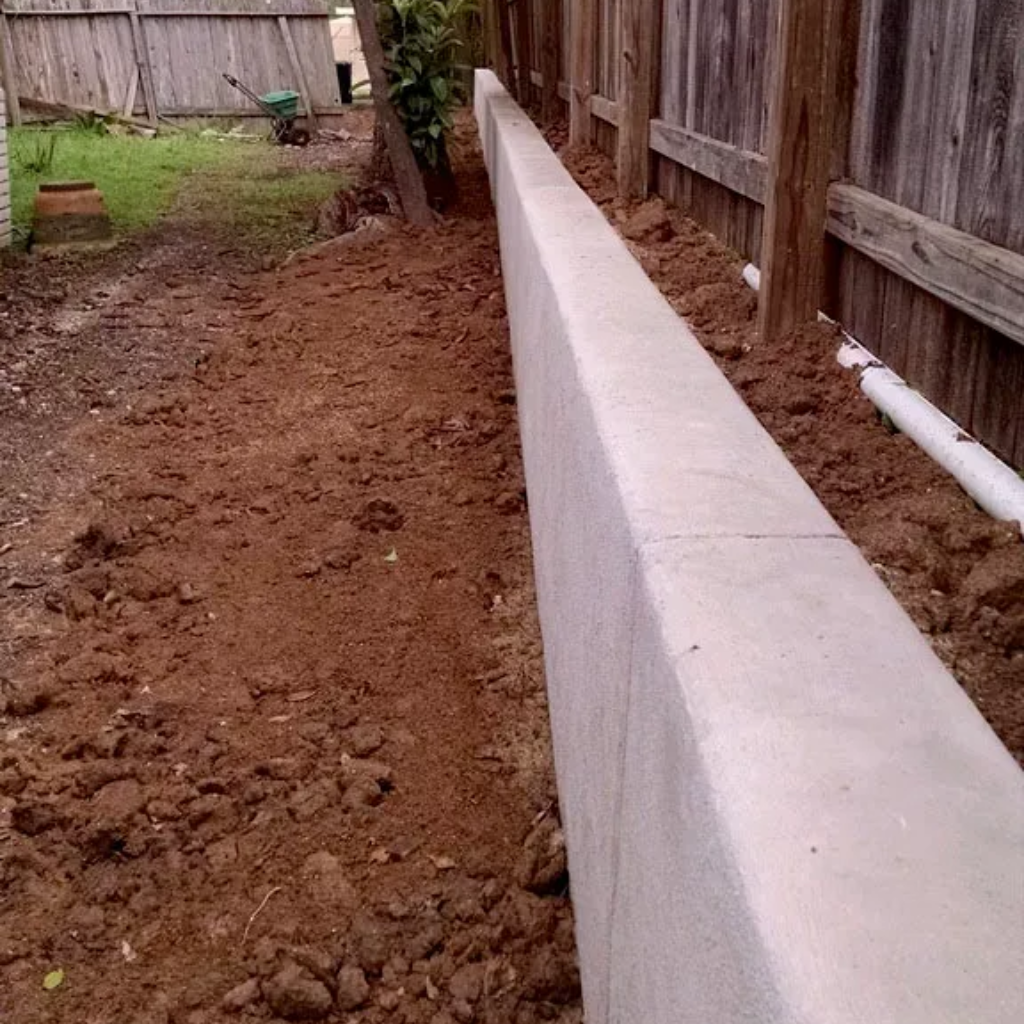
Living on San Francisco's iconic hills brings incredible views and engineering challenges. We specialize in concrete retaining walls that transform steep, problematic slopes into stable, functional terraces. Our structural solutions combine precise engineering with thoughtful aesthetics, creating walls that protect your investment while enhancing your property's appeal.
Testimonials
Our Work Speaks for Itself
Engineered Retaining Wall Solutions for Hillside Properties
Retaining walls represent one of the most critical structural elements on sloped properties. They prevent erosion, create level spaces, support structures, and protect neighboring properties from soil movement. O'Hanlon Construction brings engineering expertise and construction excellence to every retaining wall project, ensuring installations that meet San Francisco's stringent seismic and building requirements.
Our team has extensive experience working with the Bay Area's challenging topography and soil conditions. From modest garden terraces to substantial walls supporting driveways or foundations, we deliver properly engineered solutions that provide decades of reliable performance while complementing your property's architectural character.
What Defines a Superior Concrete Retaining Wall?
Retaining wall construction demands engineering rigor that far exceeds typical concrete work. Calculations must account for soil pressure, water forces, seismic loads, and surcharge from structures or vehicles. Proper drainage prevents water buildup behind walls—the primary cause of failure. Deep foundations ensure stability, while reinforcement provides structural strength. Excellence in execution translates to walls that perform flawlessly for 50+ years.
The O'Hanlon Retaining Wall System Includes:
Engineering & Design
Licensed engineers calculate soil pressures, evaluate foundation requirements, specify reinforcement patterns, and ensure compliance with San Francisco's seismic and building codes, guaranteeing your wall's safety and longevity regardless of height or soil conditions.
Foundation Preparation
We excavate to depths that reach stable soil and extend below frost lines, then construct foundations sized for anticipated loads, preventing the tilting and cracking that signal impending failure in inadequately prepared walls.
Drainage Systems
We install comprehensive drainage incorporating perforated pipes, free-draining gravel backfill, and appropriately spaced weep holes that continuously remove water before pressure accumulates—essential for preventing structural failure.
Reinforced Concrete Construction
Steel reinforcement transforms concrete from a brittle material into a flexible system capable of resisting immense forces, with rebar placed according to engineering specifications to create frameworks that provide tensile strength and withstand both soil pressure and seismic forces.
Professional Finishing
We offer finishes ranging from smooth modern forms to textured surfaces and decorative veneers that integrate walls aesthetically with your landscape while maintaining the structural performance engineering demands.
Key Advantages of Concrete Retaining Walls in Bay Area
Foundation Protection
Properly engineered retaining walls prevent soil movement that threatens home foundations. On San Francisco's hills, uncontrolled slopes can shift during earthquakes or heavy rains, potentially undermining structural integrity. Retaining walls act as permanent safeguards protecting your most valuable investment.
Utility Infrastructure Support
Retaining walls enable proper installation and access to utility lines, irrigation systems, and drainage infrastructure on sloped properties. They create stable platforms for utility boxes, provide access for maintenance, and protect buried infrastructure from soil movement.
Seismic Stability
San Francisco's earthquake risk makes proper slope stabilization critical. Engineered concrete retaining walls are designed to flex and absorb seismic forces without failure, maintaining their protective function even during significant ground movement. This engineered resilience provides peace of mind in our seismic zone.
Privacy Enhancement
Retaining walls can provide natural privacy barriers by raising grade levels, supporting elevated planting beds that screen views, or creating terraces that separate properties. This is particularly valuable in San Francisco's dense neighborhoods where homes sit close together.
Multi-Level Entertainment Spaces
Terraced walls transform single-slope yards into distinct elevation zones perfect for varied uses—lower level dining, mid-level lounging, upper level viewing decks. This vertical space planning dramatically increases functional square footage on challenging lots.
Reduced Insurance Risk
Properties with proper slope stabilization and erosion control may qualify for better insurance rates, as they present lower risk of landslide damage to structures or neighboring properties. Documentation of engineered retaining walls demonstrates proactive risk management.
Concrete Retaining Wall Design Options for Bay Area
Your retaining walls must deliver structural performance while contributing positively to your property's visual character. We offer multiple approaches to achieve this critical balance.
Cast-in-Place Concrete Walls
Maximum engineering flexibility and structural capacity. Poured-in-place walls accommodate any height, angle, or configuration your site demands while accepting diverse finishing treatments.
Best For:
- Walls over 6 feet tall requiring maximum strength
- Complex geometries and curved configurations
- Sites with difficult access limiting material delivery
- Projects where structural performance is paramount
Design Features:
- Unlimited height and length capability
- Custom curves and radiused sections
- Integrated pilasters for architectural interest
- Monolithic construction for maximum strength
- Any finish treatment can be applied
Decorative Form Finishes
Surface texture created during concrete pour eliminates need for applied veneers. Specialized forming creates authentic patterns without additional materials or maintenance concerns.
Best For:
- Modern and contemporary landscapes
- Budget-conscious projects wanting visual interest
- Walls in high-moisture areas where veneers may delaminate
- Long-term durability without maintenance
Finish Options:
- Board-formed wood grain patterns
- Fractured fin for rugged appearance
- Ashlar stone patterns cast into surface
- Geometric and modern textures
- Smooth form for minimalist aesthetics
Stone or Brick Veneer Applications
Applied materials transform concrete structure into beautiful facades mimicking solid masonry. Veneers provide aesthetic flexibility while maintaining concrete's structural advantages.
Best For:
- Historic and traditional architecture
- Matching existing stone or brick elements
- High-visibility walls demanding premium appearance
- Homeowners wanting natural material aesthetics
Veneer Options:
- Natural stone (limestone, sandstone, granite)
- Manufactured stone systems in various styles
- Traditional brick in multiple bonds and colors
- Thin-set tile for Mediterranean aesthetics
- Stacked stone ledger panels
Terraced Wall Systems
Multiple shorter walls create stepped terracing. This approach often proves more economical, structurally efficient, and visually appealing than single tall walls.
Best For:
- Total grade changes exceeding 8 feet
- Creating multiple planting or use levels
- Budget optimization through reduced engineering
- Softening visual impact of height
Configuration Options:
- Equal-height tiers for symmetry
- Varied heights responding to grade
- Planted terraces between wall levels
- Integrated stairways connecting levels
- Combination with landscape boulders
Integrated Architectural Elements
Transform walls from pure structure into functional landscape features. Integrated elements add utility while creating architectural interest.
Best For:
- Entertainment areas needing seating
- Walls visible from main living spaces
- Properties with limited horizontal space
- Adding value beyond basic retention
Integration Options:
- Built-in bench seating at wall caps
- Planter pockets for cascading plants
- Lighting niches for nighttime drama
- Water feature integration (spillways, fountains)
- Fire feature platforms and surrounds
- Storage nooks for garden equipment
Looking to Maximize Your Bay Area Property?
Complimentary site evaluation. Transparent project pricing. Complete permit coordination.
Concrete Retaining Wall FAQs
How tall can a retaining wall be without engineering?
San Francisco requires engineering for walls over 4 feet in height. Walls 3 feet or less may not need formal engineering, though professional design is still wise. Height is measured from the bottom of the footing to the top of the wall, not just the visible exposed height. We always recommend engineering for peace of mind and compliance.
What causes retaining walls to fail?
Poor drainage is the leading cause—water pressure behind walls creates forces that exceed design capacity. Other failure causes include inadequate foundations, insufficient reinforcement, expansive soils, lack of proper backfill, and surcharge loads not accounted for in design. Professional engineering and construction prevent these issues.
How much does a retaining wall cost in San Francisco?
Retaining wall costs vary widely based on height, length, engineering complexity, site access, and finish treatments. Expect $50-100+ per square foot of wall face for engineered concrete walls. Tall walls, difficult access, extensive drainage needs, or decorative finishes increase costs. Site evaluation enables accurate estimates.
Can you build retaining walls in stages?
Phased construction is possible and sometimes practical for budget management. However, each phase must be structurally complete and properly engineered. We can design multi-phase projects that work independently while allowing future expansion. Coordination during initial design ensures phases integrate properly.
Do retaining walls need foundations below frost depth?
San Francisco's mild climate means frost depth isn't typically a concern. However, walls still need adequate foundation depth for stability—typically 12-18 inches below grade for shorter walls, deeper for taller walls. Foundation depth depends more on soil bearing capacity and wall height than frost concerns in our region.
What's the difference between retaining walls and garden walls?
Retaining walls hold back soil and bear lateral earth pressure requiring engineering. Garden walls primarily define spaces or provide visual barriers without supporting significant soil loads. The distinction affects permit requirements, construction methods, and costs. We'll assess your project to determine appropriate classification.
Can retaining walls include built-in planters?
Yes, integrated planters are popular and practical. We can design walls with planter pockets, terraced planting areas between wall tiers, or cap-mounted planters. Planter integration requires drainage considerations to prevent water from compromising wall structure while keeping plants healthy.
How long do retaining walls take to build?
Small walls (under 30 feet long and 4 feet tall) typically take 1-2 weeks including engineering, permits, and construction. Larger or taller walls may require 3-6 weeks. Complex sites with access challenges or extensive drainage needs extend timelines. Engineering and permit processing often take longer than actual construction.
What maintenance do retaining walls need?
Properly built concrete retaining walls need minimal maintenance. Inspect drainage weep holes annually to ensure they're not clogged. Check for any signs of movement, bulging, or cracking that might indicate drainage issues. Keep vegetation from growing directly against walls. Address minor issues promptly before they become major problems.