Permeable Driveways in San Francisco: How Vuba Stone Meets Bay Area Stormwater Rules
San Francisco homeowners replacing a driveway in 2026 face a regulatory environment that has changed significantly from even five years ago. City stormwater management requirements increasingly demand that hardscape surfaces allow rainwater to infiltrate rather than run off into the storm drain system — and traditional concrete and asphalt fail that test entirely. Permeable paving alternatives have moved from niche landscape architecture into mainstream construction, and among those alternatives, Vuba Stone resin-bound aggregate has earned a specific reputation in the Bay Area for its combination of drainage performance, aesthetic quality, and durability under San Francisco's climate conditions.
O'Hanlon Construction has been installing Vuba Stone in San Francisco and the surrounding Bay Area for 14 years. This guide explains what the technology does, how it performs against regulatory requirements, and what Bay Area homeowners should know before specifying a permeable driveway.
The Bay Area Stormwater Compliance Context
San Francisco's stormwater management requirements derive from its Municipal Regional Stormwater NPDES Permit and the city's local stormwater design guidelines. New construction and significant redevelopment projects above threshold impervious area are required to implement Low Impact Development (LID) measures, which can include permeable paving, bioretention, or other on-site infiltration. San Francisco also participates in the regional framework governing the nine Bay Area counties under the MRP permit — C.3 provisions that set stormwater treatment requirements for private development projects.
For residential projects, the practical trigger is a relatively low threshold: significant additions of impervious surface on residential lots can bring stormwater requirements into play. A complete driveway replacement that materially increases impervious coverage is the kind of project that should prompt a discussion with the Department of Building Inspection about whether LID measures apply. The straightforward way to avoid this conversation becoming a compliance problem is to install a surface that passes the permeability test in the first place.
Vuba Stone resin-bound permeable aggregate drains at 850 liters per minute per square meter , according to Vuba's published technical specifications — a rate significantly in excess of even heavy Bay Area rainfall events. It is classified as a Sustainable Urban Drainage System (SUDS) compliant surface under UK and European standards, which are widely referenced in North American LID frameworks. The drainage performance is genuine and independently verifiable.
What Vuba Stone Is and How It Works
Vuba Stone is a resin-bound aggregate system: natural aggregate — typically smooth river gravel or crushed stone in a range of grades and colors — is mixed with a UV-stable polyurethane resin binder and applied to a prepared sub-base. The aggregate particles are coated in resin and bonded together, but the surface remains porous because there are open voids between the bound particles. Water moves through those voids and into the sub-base layer, then into the underlying ground.
The distinction between "resin-bound" and "resin-bonded" matters technically: resin-bonded aggregate is scattered onto a resin-coated surface and partially adheres, creating a rough texture with loose particles. Resin-bound aggregate is thoroughly mixed and applied to produce a smooth, flat, fully bonded surface with no loose material. Vuba Stone is a true resin-bound system — the surface stays clean, doesn't shed aggregate in rain or foot traffic, and doesn't require the maintenance that resin-bonded systems need.
Installation depth is 12–15mm over a prepared sub-base, typically SuDS-compliant geotextile-separated open-grade aggregate allowing free drainage to the sub-grade. The full drainage path — surface, sub-base, sub-grade — needs to be designed as a system, not just specified at the surface layer. O'Hanlon's Vuba Stone installation process includes proper sub-base specification and drainage design as part of every project — a permeable surface over an impermeable sub-base doesn't actually drain.
Durability Under Bay Area Conditions
San Francisco's climate presents specific durability challenges for exterior surfaces: frequent temperature cycling near the coast, UV exposure year-round, and the damp conditions that can accelerate organic growth on non-treated surfaces. Vuba Stone's polyurethane resin binder is specified as UV-stable, meaning it resists the color degradation and embrittlement that affects some resin systems after extended UV exposure. This matters particularly in San Francisco where eastern-facing surfaces can receive intense direct sun in late summer afternoons when marine layer clears.
The resin-bound surface is also resistant to oil, fuel, and deicers that Bay Area municipalities sometimes apply to hillside roads during rare freeze events. The smooth, non-porous particle surfaces don't provide the capillary pathways for water ingress that lead to freeze-thaw cracking in some permeable paving systems — a characteristic that extends service life in climates with occasional frost exposure even if hard freezes are rare.
Maintenance requirements are minimal: the surface should be kept free of accumulated organic debris in areas with heavy tree cover (decomposing leaf litter can partially clog drainage voids over years), and occasional pressure washing clears the surface and restores drainage performance. Compared to asphalt — which requires seal coating every 3–5 years, crack repair, and eventual resurfacing — the lifecycle cost of Vuba Stone is competitive even before accounting for stormwater compliance value.
Color, Aesthetics, and the Bay Area Market
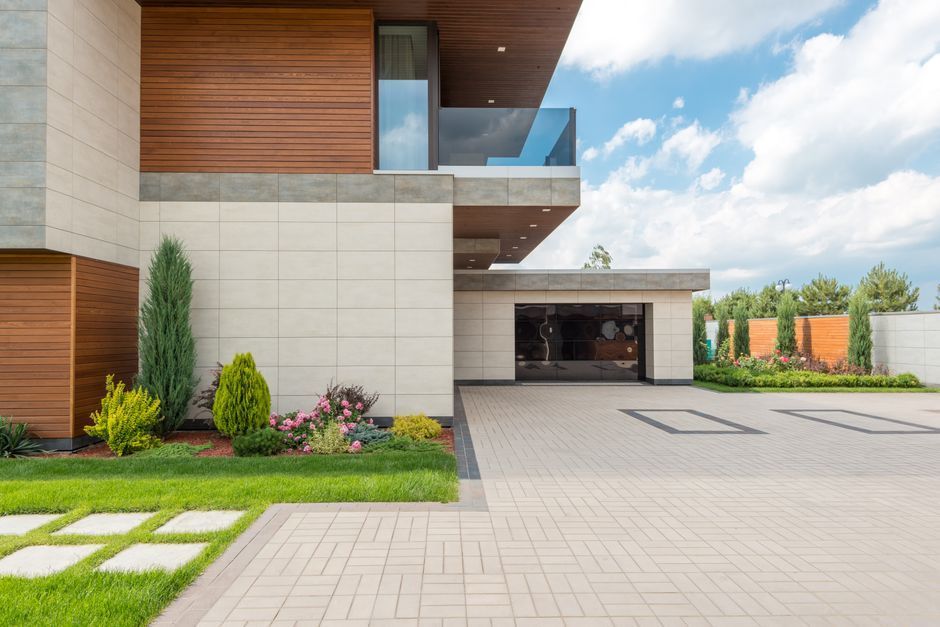
One of the reasons Vuba Stone has gained traction in San Francisco's design-conscious residential market is that it offers genuine aesthetic choice alongside its functional properties. The aggregate palette includes natural stone selections — Devon, Scottish, and limestone aggregates in tones from warm buff and tan through grey and charcoal — that complement both traditional Victorian and Edwardian architecture and contemporary exterior renovations. The smooth, bound surface reads as finished and intentional rather than industrial, which matters in neighborhoods where design review considerations apply.
The material is wheelchair accessible (DDA compliant under UK standards), which is increasingly relevant for residential clients improving accessibility. The smooth surface is also significantly easier to maintain than loose gravel or brick paving with open joints.
Getting Started with a Permeable Driveway in San Francisco
The right starting point for any Bay Area driveway project is understanding site conditions — drainage characteristics, sub-grade soil type, proximity to property lines and public sidewalk — before specifying materials. Some San Francisco sites with clay sub-grades or high water table conditions require modified sub-base design to ensure drainage performance. O'Hanlon Construction assesses site conditions as part of every consultation to ensure the installation delivers the performance the specifications promise.
O'Hanlon has installed Vuba Stone driveways, pathways, patios, and courtyard surfaces throughout San Francisco and the Bay Area for 14 years. Contact us to schedule a site assessment and discuss your project. You can also view our project gallery for examples of completed Vuba Stone installations in the Bay Area, or review our full range of services to understand what we offer beyond permeable driveways. We're available by phone at 415-650-7847 for questions about specific sites or project requirements. Learn more about the O'Hanlon Construction team and our Bay Area installation history.