Retaining Walls in San Francisco: What Hillside Homeowners Need to Know Before They Build
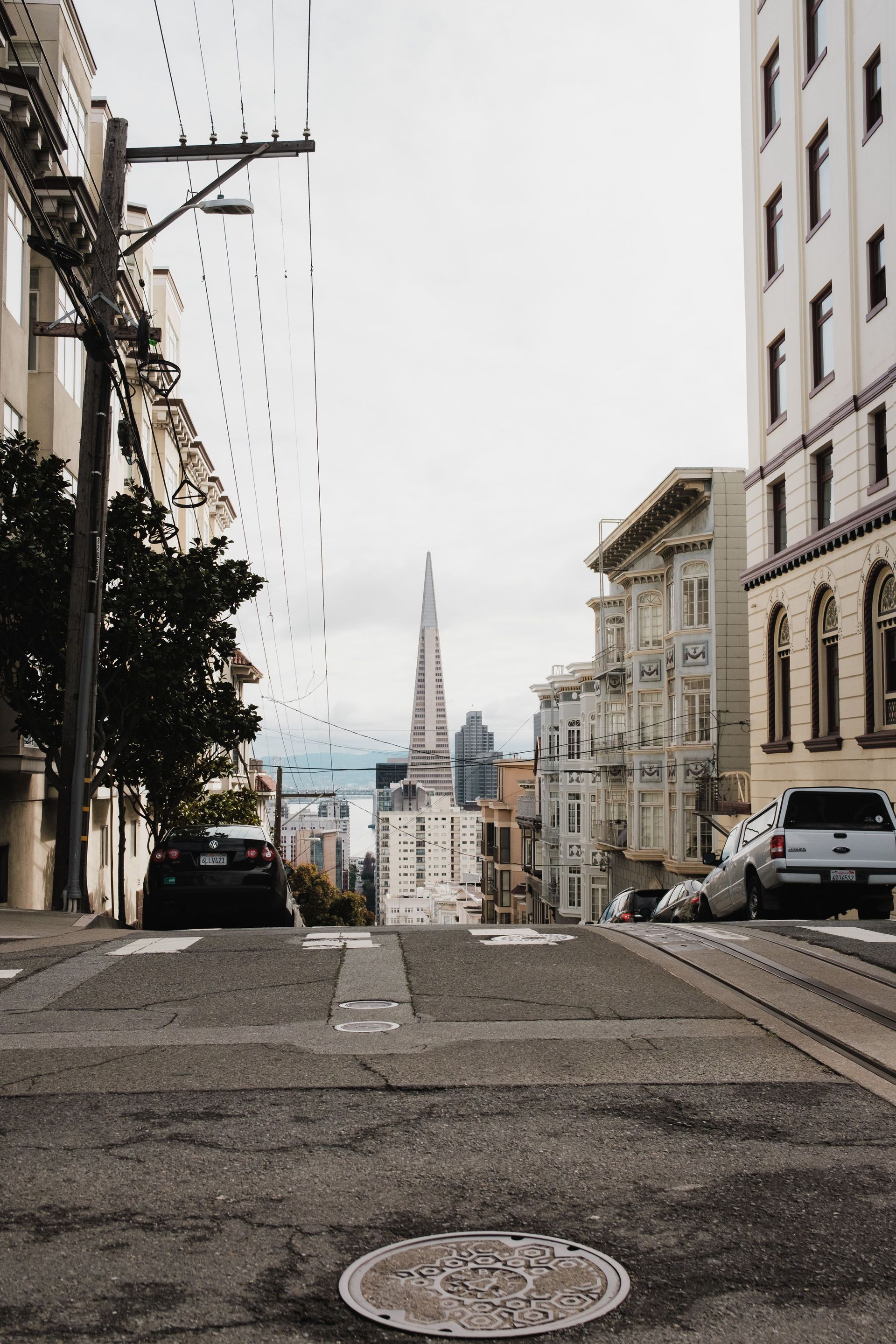
San Francisco is built on hills — and those hills are not forgiving. From the steep grades of Bernal Heights to the terraced lots of the Excelsior, Bay Area homeowners face soil pressure, drainage challenges, and seismic risk that contractors in flat markets simply never encounter. A retaining wall in San Francisco isn't a landscaping feature. It's a structural safety system — and the city's standards reflect exactly that.
O'Hanlon Construction has been building concrete structures in the Bay Area for over 14 years. Before Conor O'Hanlon places a single form board, he walks the slope, assesses soil behavior, identifies drainage direction, and calculates seismic exposure — the same engineering discipline developed on New York City high-rise construction sites, now applied to the residential hillside terrain that makes San Francisco uniquely demanding. That background changes outcomes here in a way it doesn't anywhere else.
This guide covers what Bay Area homeowners need to know before building a retaining wall: SF's permit thresholds, realistic Bay Area cost ranges, material choices for hillside conditions, and the engineering requirements that San Francisco's soils and seismic zone demand. Read this before you call anyone.
Why San Francisco Hillside Properties Make Retaining Walls More Complex
Most retaining wall guides are written for flat-state markets. In San Francisco, several factors compound to make the same project materially more complex — and more consequential when built wrong.
Seismic loading. San Francisco sits in a high seismic risk zone, and the 2022 California Building Code — adopted by the city with enhanced local amendments — requires retaining walls to be designed for lateral seismic forces that most of the country never encounters. Geotechnical reports prepared for San Francisco projects specify that walls must resist active lateral earth pressures ranging from 30 pounds per cubic foot (pcf) at a level backslope to 50 pcf at a 2:1 (horizontal:vertical) slope, before seismic loads are added on top. A wall not designed for these forces won't survive the first significant ground event.
Hydrostatic pressure. San Francisco's winters deliver concentrated rainfall to hillside properties with limited natural drainage. Water buildup behind an improperly drained retaining wall creates hydrostatic pressure that can exceed the soil's lateral load — toppling a wall that looked fine all summer. Every properly permitted retaining wall in SF must include engineered drainage detailing to prevent this.
Tight lot conditions. SF hillside lots are frequently dense, with limited equipment access, steep grades, and proximity to neighboring structures. These conditions translate directly into higher labor costs and longer project timelines compared to easier suburban work.
When Does a Retaining Wall in San Francisco Require a Permit?
Permitting is the most commonly misunderstood aspect of retaining wall projects — and skipping it carries real consequences. Unpermitted walls in San Francisco are subject to stop-work orders, demolition orders, and civil fines from the San Francisco Department of Building Inspection (SFDBI). The wall height — measured from the bottom of the footing to the top of the wall — determines which permit tier applies:
- Under 3 feet: No building permit required, provided the wall does not support a surcharge load (a driveway, building, or other significant weight above). If any surcharge applies, permit requirements change regardless of wall height.
- 3 to 6 feet: Building permit required. You must submit engineered structural drawings to SFDBI for standard plan review. A licensed structural engineer must stamp the plans.
- Over 6 feet: Building permit plus additional geotechnical reports required. SFDBI's Structural Engineering Section reviews these projects, and a licensed geotechnical engineer's site-specific analysis is mandatory.
Source: SF Retaining Wall Permits Guide
The Three Agencies Involved in SF Retaining Wall Permits
Unlike most jurisdictions, a retaining wall in San Francisco can involve up to three separate agencies depending on location and project scope:
- San Francisco Department of Building Inspection (SFDBI): Primary permit authority. As of January 1, 2024, SFDBI transitioned to a fully electronic plan review process. Plan check typically takes 4–6 weeks; permit issuance follows within approximately one week of approval. Permit fees for retaining walls range from $500 to $2,500 based on project valuation. Source: SF Building Permit Guide
- SF Planning Department: Involved when the wall affects property lines, setbacks, lot coverage, or when the property is in a historic district. Many SF hillside neighborhoods carry historic overlays that trigger Planning review.
- SF Public Works: Required when the wall is adjacent to or could affect the public right-of-way — a sidewalk, alleyway, or street grade. Encroachment permits may be required, which is common in dense SF neighborhoods.
Budget 6–10 weeks from permit application to permit in hand when planning your project timeline. Engage a structural engineer before submitting — multiple rounds of plan check comments on an under-prepared set can add months to your schedule.
What Does a Retaining Wall Cost in San Francisco?
Nationally, retaining walls cost $35 to $65 per square foot on average, including materials and professional labor. Most contractors carry a $1,500–$3,000 project minimum, and labor accounts for 40–60% of total project cost. Source: HomeGuide — Retaining Wall Cost 2026
In the San Francisco Bay Area, expect significantly higher figures. Concrete retaining walls here typically range from $80 to $150 per square foot installed , with typical residential projects running $6,400 to $12,000 or more. Bay Area labor rates, permit fees, and material logistics all carry premiums above national baselines — and hillside site conditions demanding more manual labor add further to the total. Source: SF Bay Area Concrete Contractors — Retaining Wall Cost Guide
For walls over 4 feet, engineering drawings add $1,000–$3,000 to upfront costs. These are required, non-negotiable line items — but they also provide documentation that protects you against neighbor disputes, insurer inquiries, and future inspection triggers years down the road. Skipping them to reduce upfront cost almost always costs more in the end.
Retaining Wall Materials: Cost and Performance in Bay Area Conditions
Material choice significantly affects both project cost and long-term structural performance. Here's how the main options compare for hillside residential applications in San Francisco:
- Poured concrete: $20–$45/sq ft for materials (Bay Area installed: $80–$150/sq ft). Monolithic structure with no joints, maximum resistance to seismic and hydrostatic loads, 50–100 year lifespan. The right choice for load-bearing and structural hillside walls.
- Concrete Masonry Unit (CMU / block): $15–$40/sq ft for materials. When filled with grout and reinforced with rebar, CMU achieves strong structural performance at lower cost than poured concrete — well-suited to mid-height walls (3–5 feet) with lower load requirements.
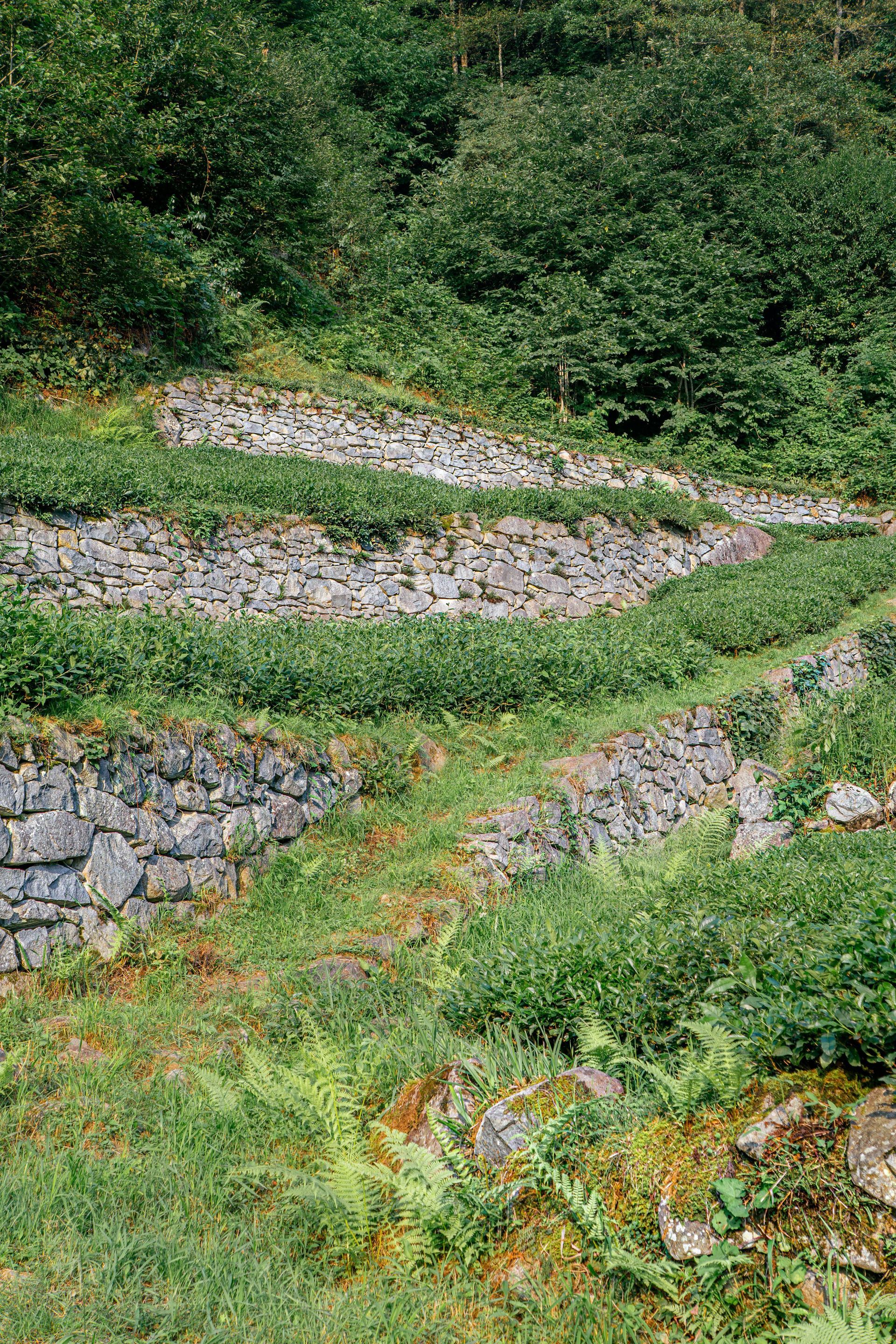
- Natural stone: $20–$95/sq ft. Visually premium with 100+ year lifespan when properly engineered, but labor-intensive and less predictable under seismic loading without careful design.
- Timber / railroad ties: $10–$40/sq ft. The EPA warns about creosote in treated railroad ties; timber walls carry a 20–30 year lifespan and are not suitable for structural hillside applications in the Bay Area.

Poured Concrete vs. CMU: Which Is Right for Your Bay Area Property?
Poured concrete is the superior structural choice when the wall is load-bearing (supporting a driveway, structure, or significant earth), when the wall exceeds 4–5 feet in height, or when finish appearance is a priority. Monolithic walls have no joints or mortar lines for water infiltration — they perform better under seismic movement and offer unlimited finish options: board-formed, stamped, smooth, or exposed aggregate. Our concrete work in the Bay Area draws on 14 years of structural experience, including NYC high-rise construction — precision and discipline that translate directly to hillside retaining wall work here.
CMU walls are better suited to mid-height applications (3–5 feet) where budget matters and load requirements are lower. When properly grouted and reinforced with rebar, they perform well for residential retaining applications and allow more flexibility in shape. We design and build both systems and recommend the right one based on your specific slope, load, and goals. Learn more about our retaining wall services across San Francisco and the Peninsula.
How a Retaining Wall Transforms Your Hillside Property
Beyond slope stabilization and erosion control, a well-engineered retaining wall creates usable space that hillside homeowners have often written off. A properly placed wall levels a tier of your lot — and that level ground opens options that add real, lasting value.
Many Bay Area clients pair a retaining wall with new patio construction at the newly created level — a functional entertaining space built on the same footing system. Integrated concrete stair installation between levels turns a steep grade into safe, code-compliant access that looks purposeful, not improvised. Concrete walkway installation connecting the tiers completes the site plan and adds daily usability.
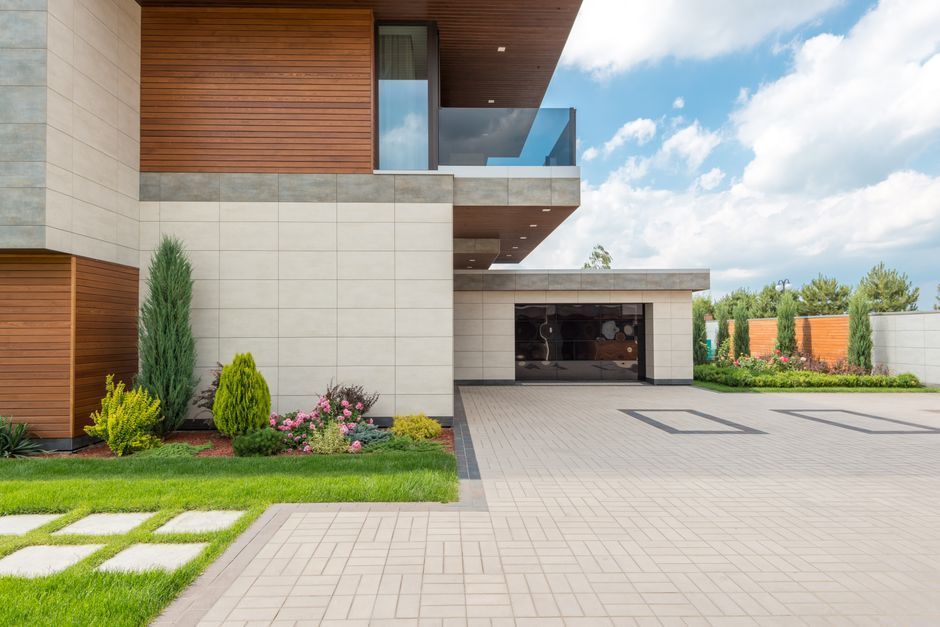
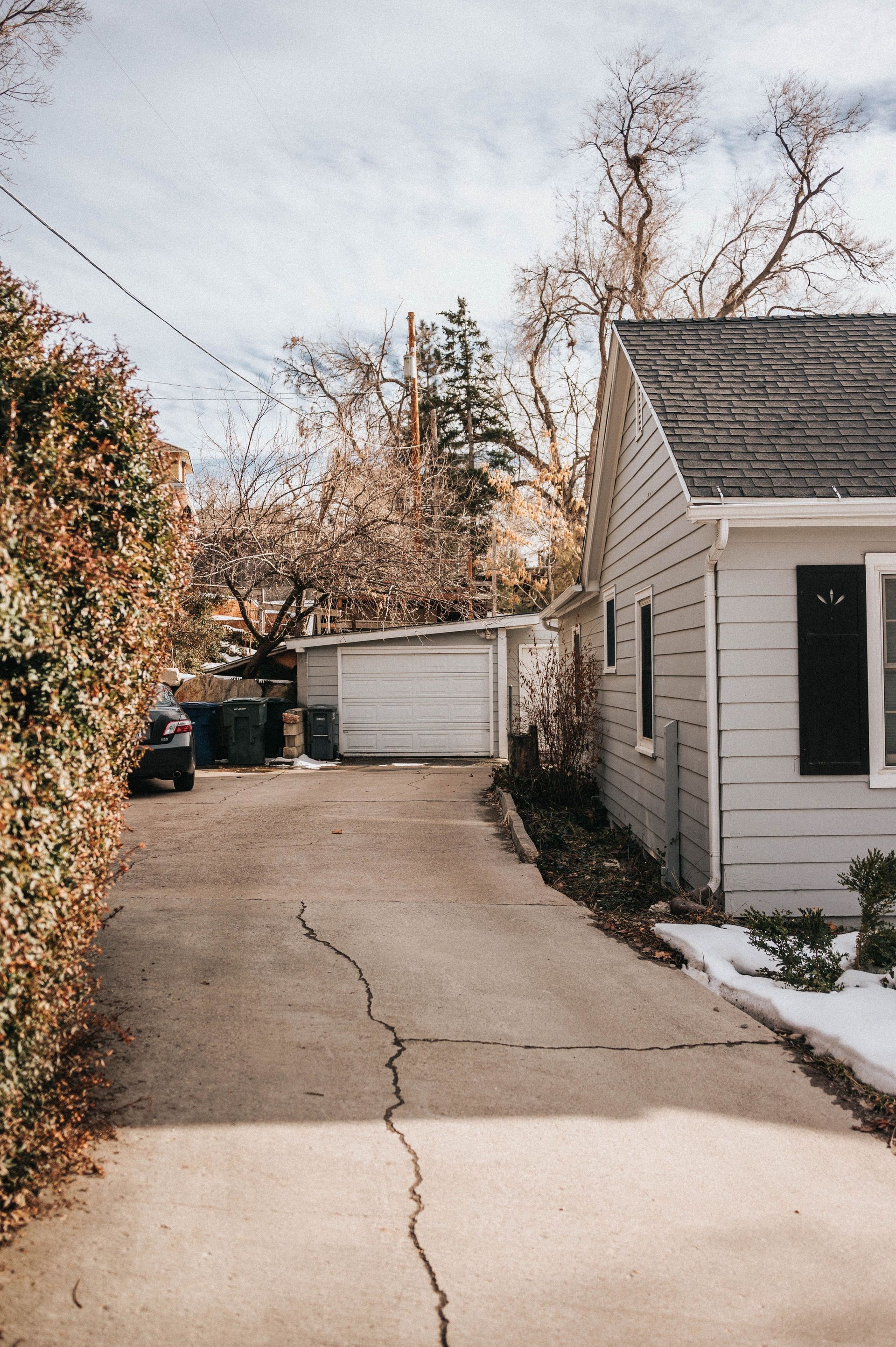
If your project involves grade changes near the street or garage, coordinating driveway construction at the same time makes both projects easier — shared excavation, coordinated drainage design, and a unified site plan. Properties undergoing broader home remodeling can bundle a retaining wall into the project permitting, which can simplify the SFDBI process and reduce mobilization costs.
For homeowners considering outdoor surface options adjacent to a retaining wall, our work as the Bay Area's exclusive Vuba Stone specialist demonstrates how permeable resin-bound surfacing can complement a retaining wall system where drainage management and aesthetics both matter — particularly relevant for driveways and patios at the base of a hillside wall.
Frequently Asked Questions: Retaining Walls in San Francisco
Do I need a permit for a retaining wall in San Francisco?
Yes, in most cases. Any retaining wall over 3 feet tall — measured from the bottom of the footing to the top of the wall — requires a building permit from SFDBI. Walls 3–6 feet require engineered structural drawings; walls over 6 feet require additional geotechnical reports. Walls under 3 feet are generally exempt unless they support a surcharge load such as a driveway or building foundation.
How much does a retaining wall cost in the Bay Area?
Bay Area concrete retaining walls typically cost $80–$150 per square foot installed, compared to the national average of $35–$65/sq ft. A typical residential project in San Francisco runs $6,400–$12,000 or more depending on height, length, material, and site access. Permit fees add $500–$2,500; engineering drawings for walls over 4 feet add $1,000–$3,000 on top of construction costs.
What type of retaining wall is best for a hillside property in San Francisco?
Poured concrete or reinforced CMU walls are the appropriate structural choice for most Bay Area hillside applications. They resist the lateral earth pressures, hydrostatic pressure from winter rains, and seismic forces that San Francisco terrain and building code demand. Timber walls and unreinforced block are not appropriate for structural or load-bearing hillside applications in this region.
How long does the SF retaining wall permit process take?
SFDBI plan check takes 4–6 weeks depending on project complexity and current DBI workload. Permit issuance follows within approximately one week of plan check clearance. Budget 6–10 weeks from application to permit in hand — and engage a structural engineer before submitting to minimize plan check comment rounds.
Why hire a concrete specialist rather than a general contractor for a retaining wall?
Structural retaining walls in San Francisco involve seismic design requirements, lateral earth pressure calculations, drainage engineering, and SFDBI plan review — this is not a landscaping project. O'Hanlon Construction brings 14 years of structural concrete expertise — from NYC high-rise work to Bay Area residential — because that level of engineering discipline is what hillside retaining wall work in San Francisco requires. Get a free quote and let Conor walk your property before you commit to any design or contractor.