Concrete Patio Cost in San Francisco: What Bay Area Homeowners Need to Budget in 2026
Most cost estimates you'll find for concrete patios are national figures — and they'll leave you underbudgeted for a San Francisco project. Bay Area labor costs run above the national average, hillside terrain adds drainage requirements not present on flat lots, and San Francisco's Department of Building Inspection has its own rules about what triggers a permit review. This guide breaks down what concrete patios actually cost in San Francisco in 2026, what drives those costs, and what to watch for when hiring a contractor.
What Does a Concrete Patio Cost in San Francisco?
According to Concrete Network's 2026 cost data, concrete patio installation runs $5 to $18 per square foot nationally — putting a standard 200 sq ft patio at $1,200–$3,600 and a large 400 sq ft patio at $3,200–$7,200. San Francisco homeowners should expect to land at the higher end of that range or above it.
Bay Area concrete pricing reflects the region's above-average labor costs. Bay Area concrete driveways — a comparable flatwork project — typically run $10 to $25 per square foot, and residential patio projects follow similar pricing. Local homeowner data from the East Bay puts concrete labor and materials at $10–$15 per square foot for basic work, with hillside patio projects in the $15–$25/sqft range once drainage and site work are included.
Here's how finish types affect the cost of a concrete patio in San Francisco:
- Plain brushed concrete: $10–$15/sqft — the most durable, low-maintenance option for high-traffic areas
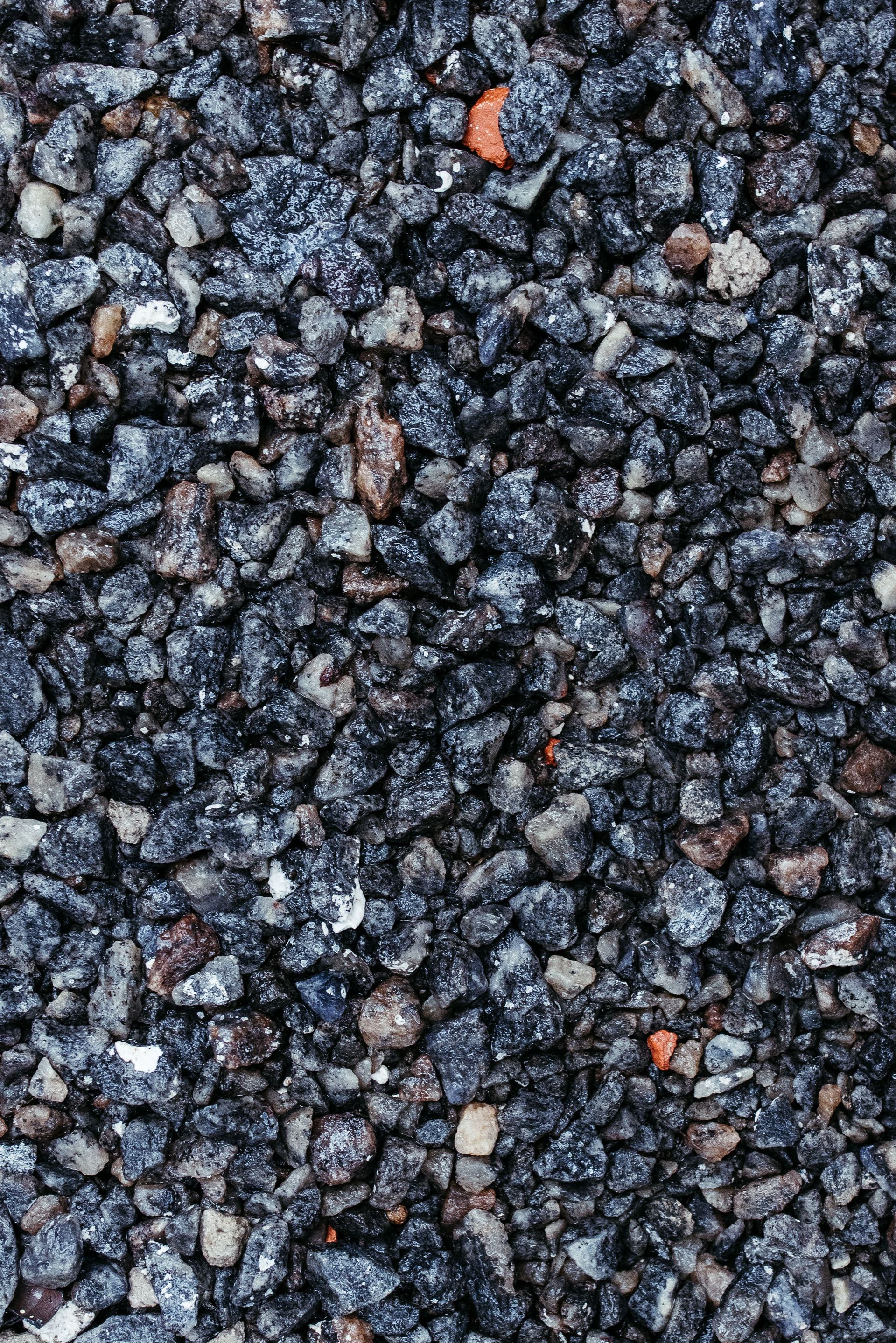
- Exposed aggregate: $12–$18/sqft — textured finish with natural aggregate showing; skid-resistant and popular for pool surrounds
- Stamped concrete: $15–$25/sqft — mimics stone, brick, or wood patterns; higher upfront cost than plain but lower maintenance than pavers
- Colored or stained concrete: $13–$20/sqft — integral color or acid staining adds visual depth without the stamped pattern premium
For a practical budget reference: a 300 sq ft plain concrete patio typically runs $3,000–$4,500; a 400 sq ft stamped patio with color runs $6,000–$10,000 before site preparation costs. Every San Francisco property is different — get a free on-site estimate to understand the actual scope for your yard.
What Drives Concrete Patio Costs Higher in San Francisco
Several factors unique to San Francisco properties push patio costs above what national calculators predict. Understanding them upfront prevents budget surprises and helps you evaluate contractor quotes accurately.
Hillside grading and drainage
Most San Francisco properties sit on slopes, and concrete patios require engineered drainage away from the structure and foundation. A flat lot needs minimal grading; a hillside property requires excavation, sub-base preparation, and a drainage design specific to your slope and soil conditions. Bay Area hardscape project data from GLscapes puts hillside projects with drainage work at an additional $5,000–$15,000 above per-square-foot pricing — a 500 sq ft hillside patio with drainage work ran $17,500–$22,000 in recent Bay Area projects. Without proper drainage design, water intrusion and concrete cracking follow within years regardless of pour quality.
Old concrete removal
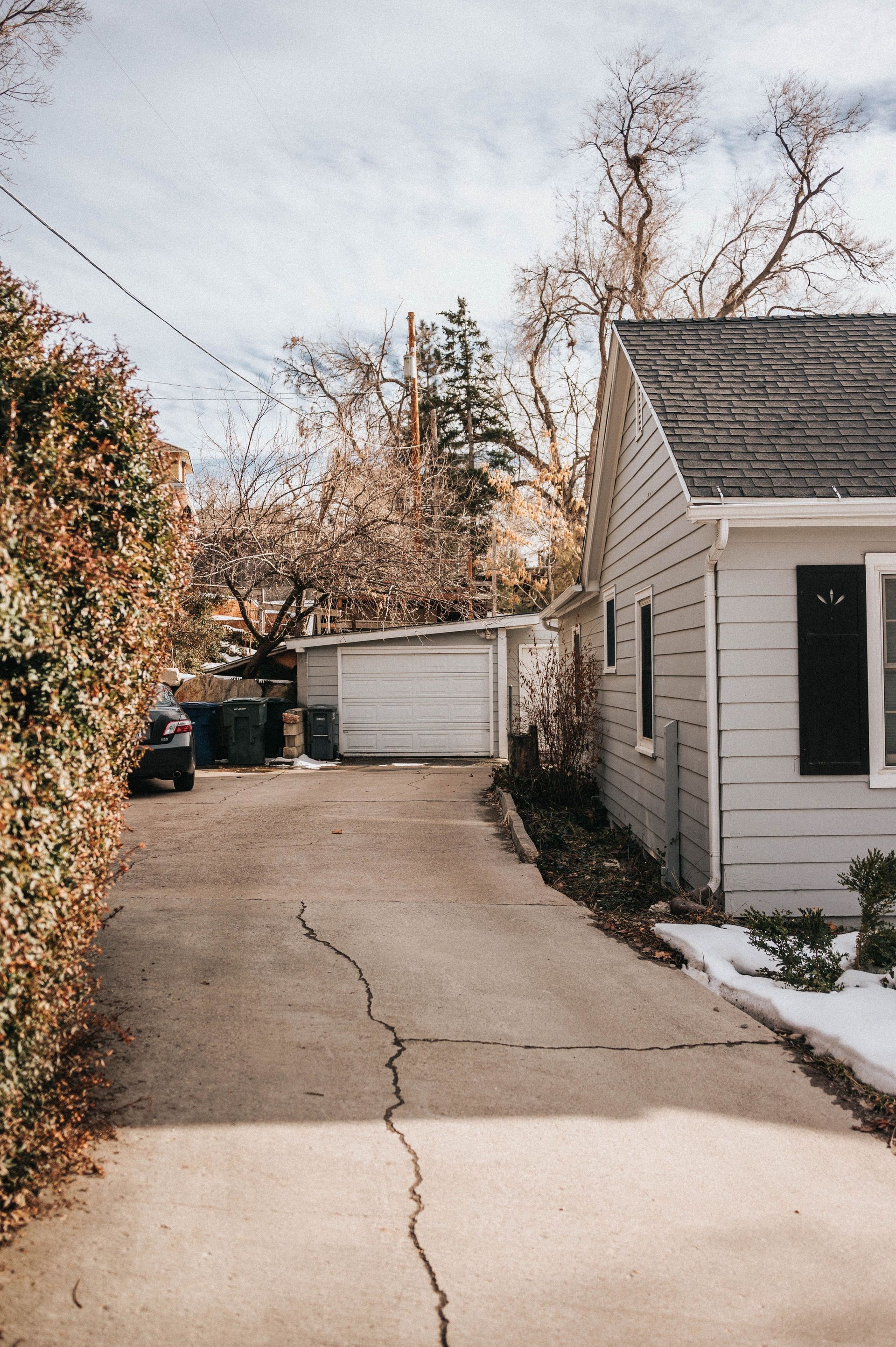
If your property has an existing patio or slab, demolition and removal adds $2 to $6 per square foot, according to Concrete Network. For a 400 sq ft slab, that's an additional $800–$2,400 before the new pour begins. Many SF properties have older, deteriorated concrete that needs full removal before new work can start.
Access constraints
Tight setbacks, stairway-only backyard access, or narrow side yards prevent heavy equipment from reaching the work area — requiring hand mixing or a concrete pump truck. Both add labor cost. San Francisco's Victorian and Edwardian homes frequently create this challenge, and it's something a local contractor knows to assess during the initial site walk.
Seismic design requirements
In California's seismic zone, concrete work in San Francisco near foundations must account for lateral load. Properly designed patios incorporate expansion joints and appropriate reinforcement so the slab can flex with ground movement rather than crack. For a contractor with deep Bay Area experience, this is standard practice — not an additional charge.
San Francisco Permit Requirements for Concrete Patios
The permit question is one of the first things SF homeowners ask when planning a patio project. The answer depends on what you're building — and San Francisco's rules differ from most California cities.
Uncovered ground-level concrete slabs: Per California building code, a ground-level concrete slab that is not more than 30 inches above grade and does not extend over a basement generally does not require a building permit. However, according to PermitsGuide's 2026 California patio guide, San Francisco operates differently due to its dense urban environment. Even an uncovered slab may trigger a zoning review for lot coverage — because adding impervious surface can push a property past the allowable coverage percentage for its zoning district. This is distinct from a building permit, but still requires DBI review.
Covered patio structures — pergolas, patio covers, shade structures: All covered structures in San Francisco require both a building permit and Planning Department review. Here's what to expect based on PermitsGuide's 2026 data:
- Simple over-the-counter permits: $300–$500 in fees, 1–2 weeks review time
- Projects requiring Planning Department approval: $800+ in fees, 2–3 months review time
- Properties in historic districts: additional Historic Preservation Commission review
The practical takeaway: confirm your project's permit status before you break ground. An experienced SF concrete contractor will assess the permit landscape during the initial site visit and handle the process as part of the project — O'Hanlon Construction's San Francisco patio work routinely includes permitting guidance from the first estimate.
Concrete vs. Pavers and Permeable Surfaces for San Francisco Patios
Many Bay Area homeowners compare concrete to pavers, natural stone, or permeable surfaces when planning outdoor living space. Here's how they stack up for San Francisco properties specifically.
Why concrete makes sense for most SF patios
- Lower upfront cost: Bay Area paver installations run $20–$35 per square foot installed for most materials — above what plain or stamped concrete costs for comparable coverage
- Seamless surface: No joint maintenance, no individual units shifting under foot traffic over time
- Decorative versatility: Stamped and stained concrete rivals pavers aesthetically at lower per-square-foot cost
- Climate performance: Quality concrete sealed with UV-resistant sealers holds up in SF's fog-and-sun cycle; concrete sealers should be reapplied every 3–5 years to maintain surface strength and prevent cracking
When permeable surfaces make more sense
If your lot has significant drainage concerns, or you need to manage impervious surface to meet stormwater requirements, a permeable option may outperform a sealed concrete slab. O'Hanlon Construction installs Vuba Stone resin-bound permeable surfacing and is the Bay Area's only certified Vuba Stone contractor — a practical choice for patios where drainage is a design priority. For most standard residential patios, concrete remains the more cost-effective and lower-maintenance option.
If your outdoor project connects to walkways throughout the property, O'Hanlon's concrete walkway installation work integrates seamlessly with patio design — matching finishes, drainage slopes, and edge details across the full outdoor space.
Project Timeline: What to Expect
A concrete patio project in San Francisco moves through several phases. Understanding the sequence helps you plan realistically around permit timelines and contractor availability.
- Site assessment and estimate: A contractor visits to assess slope, drainage, access, soil conditions, and existing utilities. For hillside properties, this step determines scope and cost more than any other. Conor O'Hanlon personally walks every project site before an estimate is given.
- Permit check: Your contractor confirms whether the project triggers a DBI permit or zoning review. Uncovered ground-level slabs often clear quickly; covered structures require lead time — start this process 2–3 months before your target construction date if Planning approval may be needed.
- Site preparation: Excavation, sub-base grading, and drainage installation. On sloped properties, this is the most labor-intensive phase. Proper base preparation is what determines how long the finished patio lasts.
- Forms, reinforcement, and pour: Rebar or fiber mesh is placed, concrete is poured, and finishing — brushing, stamping, or texturing — happens while the concrete is workable. The pour itself typically takes one day for a residential patio; the finishing work follows immediately.
- Curing and sealing: Concrete requires time to cure before heavy use. A UV-resistant sealer is applied as a final step — particularly important in San Francisco's climate where fog and moisture accelerate surface wear without protection.
Excluding permit wait times, most residential SF patio projects run 1–3 weeks from mobilization to completion. If your project includes adjacent concrete stairs for hillside access or connects to a driveway renovation as part of a broader outdoor refresh, plan for additional scope and timeline — O'Hanlon Construction handles the full outdoor concrete scope so your surfaces match and drain as a system.
Questions to Ask a San Francisco Concrete Contractor
Concrete work in San Francisco requires more than general construction experience. The terrain, density, permit environment, and soil conditions create a learning curve that separates local specialists from contractors who treat it as incidental work. Here's what to ask before you sign:
- How many SF patio projects have you completed on hillside properties? Can you show examples and references from similar work?
- How do you handle drainage design? What is your specific solution for the slope and soil conditions on my lot?
- Are you CSLB licensed? What is your license number? (O'Hanlon Construction's California Contractors State License Board license: #1117678)
- Who manages the work on-site? Will the owner or a qualified project manager be present daily?
- What sealer do you use, and how does it hold up in San Francisco's fog climate?
- Do you pull permits, or is that left to the homeowner?
At O'Hanlon Construction, Conor O'Hanlon personally oversees every project — no subcontractors managing a job without him present. That standard matters on hillside properties, where the difference between a patio that performs for decades and one that develops drainage problems shows up in how the base is prepared and the drainage is designed — not just how the concrete is finished. If you're planning a larger home remodeling project that integrates outdoor living with interior improvements, O'Hanlon Construction handles both.
Frequently Asked Questions: Concrete Patios in San Francisco
How much does a concrete patio cost in San Francisco?
Plan for $10–$25 per square foot for most residential concrete patios in San Francisco, depending on finish. Plain brushed concrete runs $10–$15/sqft; stamped or stained concrete runs $15–$25/sqft. Bay Area paver installations run $20–$35/sqft by comparison. Hillside properties with drainage requirements can add $5,000–$15,000 to the total project cost. The national baseline from Concrete Network is $5–$18/sqft, reflecting that Bay Area labor consistently runs above the national average.
Do I need a permit to pour a concrete patio in San Francisco?
For an uncovered, ground-level slab not more than 30 inches above grade, a building permit is generally not required — but San Francisco may require a zoning review for lot coverage even without a formal building permit. Any covered patio structure requires a building permit and Planning Department review, with fees of $300–$800+ and timelines of 1–2 weeks (over-the-counter) to 2–3 months (full Planning review). Confirm your project's status with DBI before you start.
Can you pour a concrete patio on a hillside property in San Francisco?
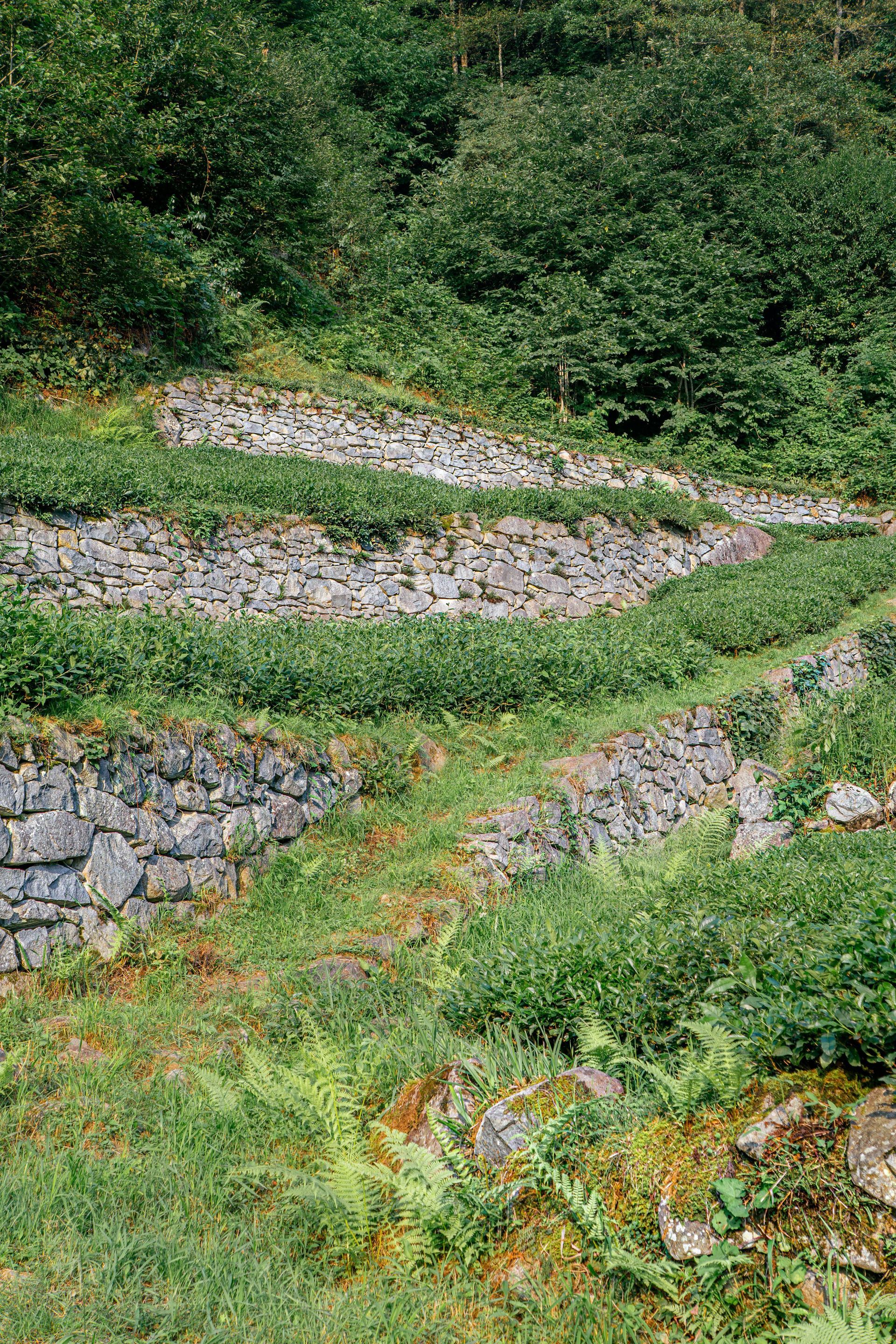
Yes — but hillside patio work requires drainage engineering, proper sub-base grading, and often a retaining wall component to create the level platform the patio sits on. This adds cost and time but is standard practice for SF hillside properties. O'Hanlon Construction specializes in this scope; retaining wall design is often the first phase of a hillside patio project.
How long does concrete last in San Francisco's climate?
A well-installed, properly sealed concrete patio is a multi-decade investment. San Francisco's fog creates consistent moisture exposure, so UV-resistant sealers reapplied every 3–5 years are important for surface protection. The bigger variable is drainage: patios without proper drainage fail faster regardless of concrete quality or finish.
What's the difference between stamped concrete and pavers for a patio?
Stamped concrete is a solid slab with a decorative pattern pressed in — lower maintenance and typically lower cost than most pavers, and impermeable. Pavers are individual units set on a base with joints between them — more repairable if a section fails, but requiring joint maintenance over time. Cost-wise, concrete patios typically run $10–$25/sqft in the Bay Area; paver patios run $20–$35/sqft and above for natural stone. For projects where stormwater management is a priority, a permeable option like Vuba Stone may be the right fit — contact O'Hanlon Construction to discuss what surface makes sense for your property.