Concrete Steps Cost in San Francisco: The 2026 Guide for SF Homeowners
If you're planning to replace or install concrete steps at your San Francisco home, expect to pay more than any national cost guide will tell you. Bay Area labor rates, the city's dual-agency permitting process, and the physical reality of hillside lots consistently push SF stair projects 20–40% above what the same job costs elsewhere in the country. This guide gives you real 2026 numbers, the permit requirements you need to know before you start, and the site-specific factors that determine where your project actually lands on the cost range.
What Concrete Steps Cost in San Francisco in 2026
The national baseline: custom-poured concrete steps cost $200–$500 per step, while precast concrete steps run $100–$350 per step (HomeGuide, updated June 2026). Total installed costs for a typical 5–10 step entry run $1,000–$5,000 poured or $500–$3,500 precast nationally.
San Francisco adds a 20–40% premium on top of those figures. SF construction labor averages $48.15 per hour — 47% above the national average. That premium, combined with access challenges and permitting complexity, means SF homeowners should budget:
- Precast concrete steps: $130–$490 per step ($650–$4,900 installed for 5–10 steps)
- Custom poured concrete steps: $260–$700+ per step ($1,500–$7,000+ installed for 5–10 steps)
For a typical SF front entry — 5 to 8 steps, custom poured, with a modest landing — total installed cost commonly falls between $1,500 and $5,600 before permit fees. Projects on steep hillside lots, those requiring retaining wall integration, or those with exposed aggregate finishes trend toward the upper end. DBI permit fees add $500–$2,000 depending on project valuation and scope.
Why SF Concrete Steps Cost More Than the National Average
Five factors consistently drive San Francisco stair projects above national benchmarks.
1. Labor Rates
San Francisco construction labor averages $48.15 per hour — the highest in the country at 47% above the national average (Precision Concrete Cutting NorCal, 2026). Skilled concrete finishing commands a premium beyond the base rate. When a quote seems low for an SF concrete project, the most common explanation is the contractor is pricing to national — not local — labor rates.
2. Hillside Site Access
Many SF homes sit on lots with no level staging area, narrow passages, and streets too tight for standard mixer access. Pumping concrete, using smaller batch equipment, or hand-carrying materials through a side gate adds cost and time. On steep hillside lots — common in Noe Valley, Cole Valley, Bernal Heights, and the Sunset — access staging costs of $500–$1,500 above a flat-lot baseline are typical.
3. Dual-Agency Permitting
San Francisco runs a dual-agency process: DBI handles structural and code compliance while the Planning Department reviews anything affecting the building exterior. For concrete stairs visible from the street — virtually every front entry in SF — both agencies may need to sign off before work begins. Standard plan review runs 3–8 weeks.
4. Debris Disposal Requirements
San Francisco Ordinance No. 144-21 (Public Works Code Section 725) requires that at least 65% of construction and demolition debris be recycled or diverted from landfill. For a concrete tear-out, that means licensed C&D transporters and Green Halo tracking documentation — adding $200–$800 to project cost.
5. Seismic Detailing
SF sits in Seismic Design Category D. Structural concrete work attached to or bearing against a foundation may require engineered seismic detailing under CBC Chapter 16 with SF local amendments. For complex configurations — stairs integrated with a basement wall or long runs into a hillside — a licensed structural engineer's review is sometimes required before DBI issues the permit, adding $500–$1,500 in engineering fees.
Poured vs. Precast Concrete Steps: What SF Homeowners Should Know
Both options exist in San Francisco, but they are not interchangeable on most SF properties.
Custom Poured Concrete Steps
Custom-poured steps are formed and cast in place on your property. They can be built to any width, depth, curve, or angle — critical for the irregular lots, tight entries, and non-standard grade changes that define most of SF's housing stock. They integrate seamlessly with existing retaining walls and adjacent patio construction — typically the right approach when stairs are part of a larger hillside grading system rather than a standalone replacement. O'Hanlon Construction uses custom poured concrete for the large majority of SF residential stair projects.
Precast Concrete Steps
Precast steps are manufactured off-site and delivered ready to install. They're faster and less expensive, but they come in fixed dimensions that can't be modified on-site. On a hillside lot or any SF property with uneven grade, delivery, leveling, and achieving code-compliant riser consistency are significantly harder. Precast is most practical for simple front-entry replacements on flat lots — a relatively rare site condition in San Francisco.
Finish Options
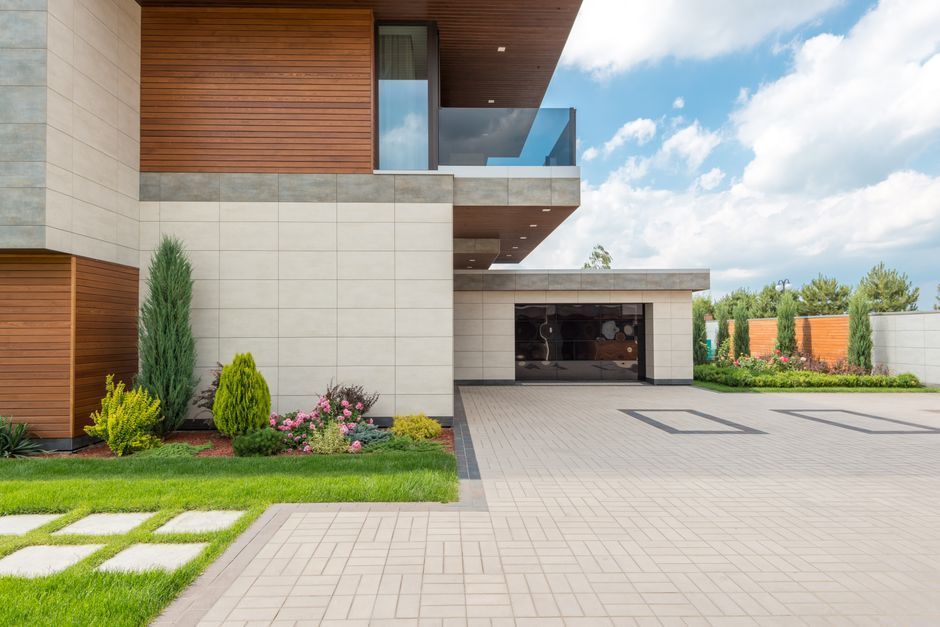
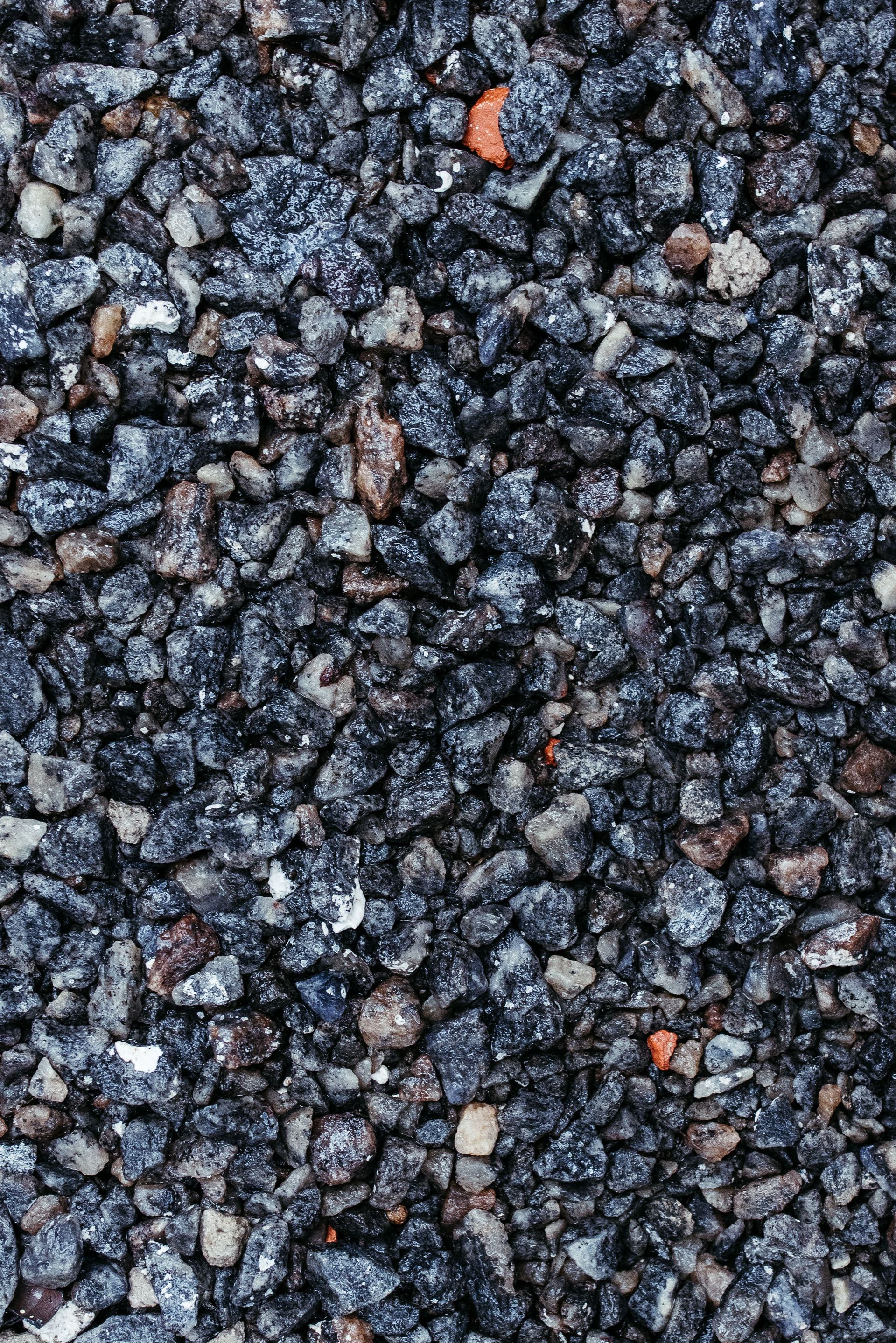
Standard broom finish is the most affordable and handles SF's fog and rain well. Exposed aggregate adds $3–$6 per square foot — popular for its slip resistance and natural texture. Stamped concrete adds $4–$8 per square foot and suits entries and landings where visual detail matters. Both premium finishes require sealing every 2–3 years. For a landing that connects to a Vuba Stone driveway or path, finish coordination creates a cohesive exterior.
San Francisco Permit Requirements for Concrete Steps
Whether a permit is required depends on scope — but for most front entry replacements, the answer is yes.
When a Permit Is Required
- Front entry stairs (attached to structure, over 30 inches in height, or part of the means of egress) require a DBI building permit — 49 South Van Ness Ave, San Francisco, CA 94103.
- Landscape steps under 30 inches high not serving as a required exit path may be exempt from California Residential Code R311.7 and may not require a permit.
- Work affecting the public sidewalk, curb, or right-of-way requires a Street Improvement Permit from SF Public Works (Street Use & Mapping, 49 South Van Ness Ave, Suite 300). This permit cannot be issued to a homeowner — it must go directly to the licensed contractor.
Permit Fees and Timeline
Expect DBI permit fees of $500–$2,000 for a typical residential stair project (based on project valuation). Simple scope may qualify for an over-the-counter permit issued same-day. Projects requiring Planning Department review enter standard review at 3–8 weeks (Specta, 2026 SF Permit Guide). Expedited review is available for an additional fee.
California Building Code Stair Dimensions
Under California Residential Code R311.7 and California Title 8, Section 3231, residential stairs must meet these minimums — all inspected at DBI final:
- Riser height: Maximum 7¾ inches, minimum 4 inches
- Tread depth: Minimum 10 inches (nosing to nosing)
- Stair width: Minimum 36 inches clear
- Headroom: Minimum 80 inches
- Riser consistency: No more than ⅜ inch variation within any single flight
Riser inconsistency is the most common final inspection failure on residential stair projects. A single riser ½ inch taller than the others fails DBI final and requires demolition and rebuild. Getting it right in the formwork is far cheaper than fixing it afterward.
How San Francisco's Hillside Terrain Changes a Concrete Stair Project
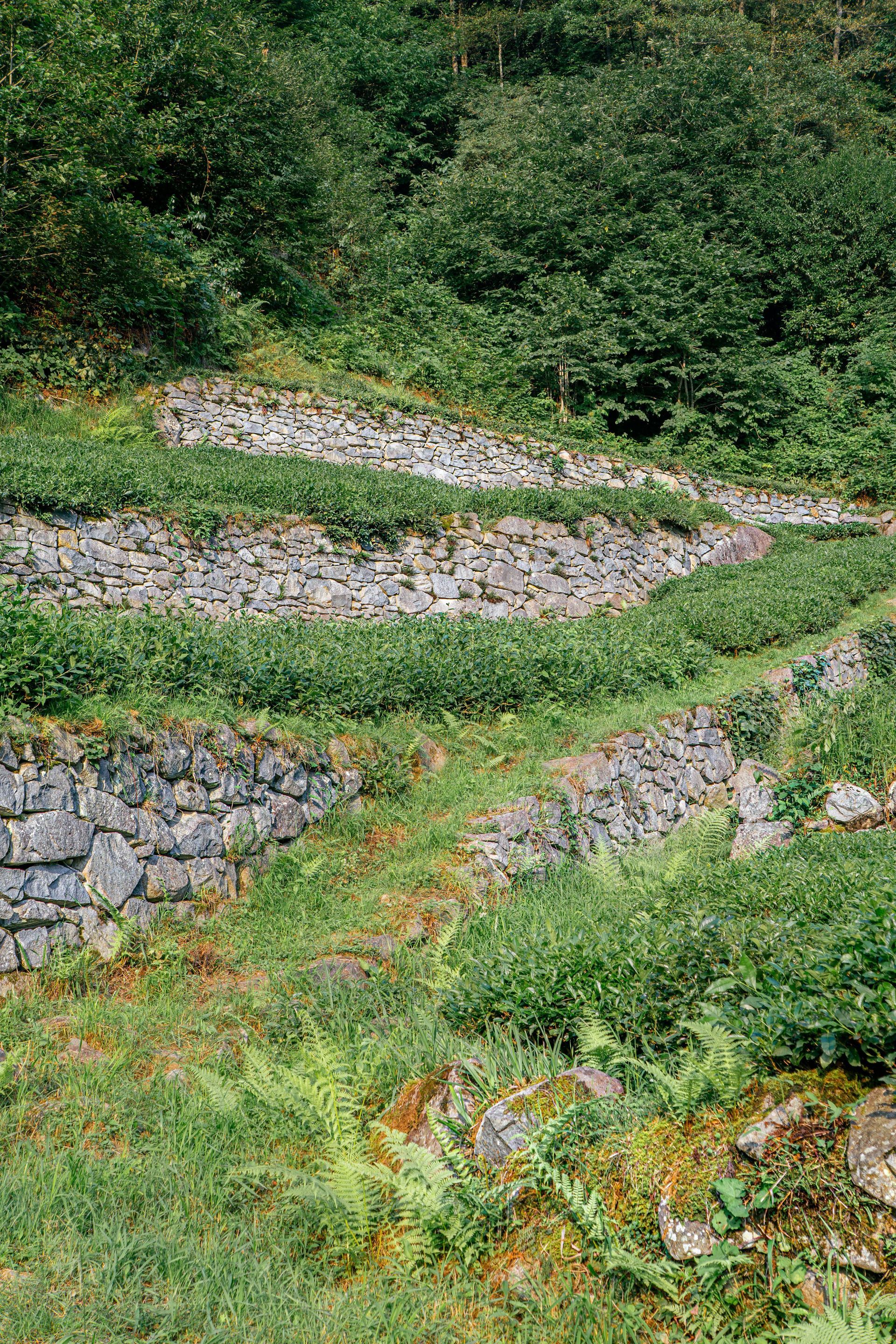
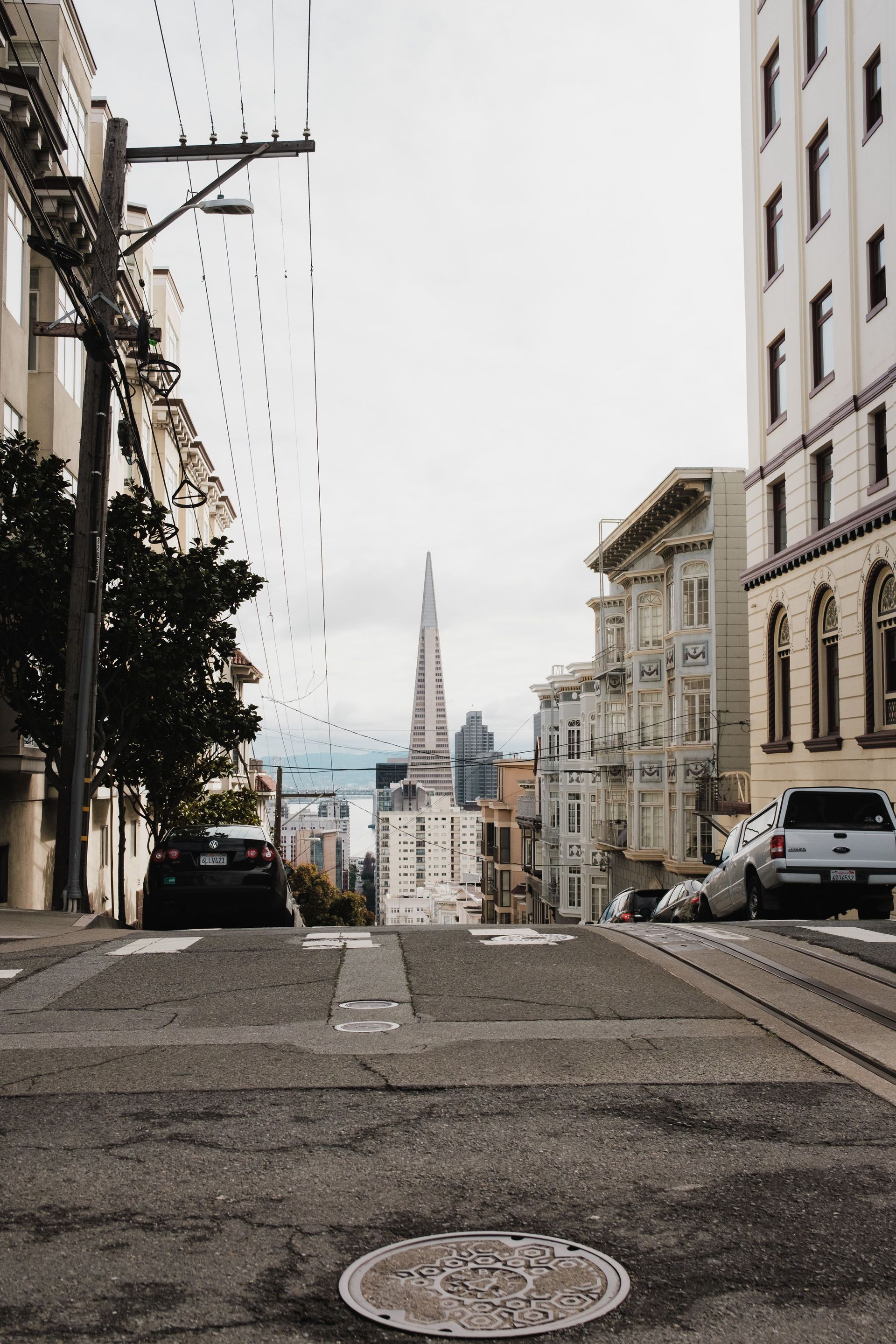
SF's topography creates concrete stair conditions that don't exist in most U.S. cities. O'Hanlon Construction has worked on projects where stairs are set into a cut slope requiring a structural retaining wall on both sides, where the lot has no vehicular access at all (all materials hand-carried), where adjacent aging drainage infrastructure must be protected during excavation, and where Planning Department historic-district review extends the permit timeline by weeks.
These aren't edge cases in San Francisco — they're the norm. Tight access alone commonly adds $500–$1,500 to a project: traffic control on a narrow street, crane or conveyor rental to move materials from street level, and additional labor hours are documented Bay Area cost premiums for difficult-access sites.
A new concrete staircase typically connects to a concrete walkway at grade below and to a landing or patio above. Getting those transitions right — matching elevations, managing drainage away from the foundation, tying into the existing grade — is where SF hillside projects get technically complex and where an experienced local contractor earns its value. Many hillside stair projects also involve rebuilding or reinforcing an adjacent slope structure. For the full picture, see our guide on Retaining Walls in San Francisco: What Hillside Homeowners Need to Know.
What to Look for When Hiring a San Francisco Concrete Steps Contractor
Concrete steps are structural elements that must pass DBI inspection and will be used daily by everyone entering and leaving your home. Choosing the wrong contractor — or an unpermitted one — costs far more than the original project.
Verify the License
California concrete and structural work requires a C-8 (Concrete Contractor) or B (General Building Contractor) license from the California Contractors State License Board. Verify the license number is current and active at cslb.ca.gov before signing anything. An unlicensed crew cannot pull a permit in their own name — if a contractor offers to skip the permit, walk away.
Ask How They Handle the Permit
Any contractor who says a permit "isn't needed" for front entry stairs in San Francisco should raise a red flag. The permit verifies structural integrity, confirms risers pass code, and creates a documented record that matters at resale. O'Hanlon Construction manages the complete permit process — DBI filing, SF Public Works Street Improvement Permit when required, and all inspection scheduling.
Get a Site Walk Before a Quote
There is no accurate way to price an SF concrete stair project without seeing the site. Access, grade, drainage, the condition of surrounding concrete, and proximity to the street right-of-way all affect scope and price. A quote given over the phone or from photos alone is a guess, not a binding estimate.
O'Hanlon Construction offers a free on-site consultation for all concrete stairs installation projects throughout San Francisco and the Bay Area. Conor O'Hanlon personally walks every site — no handoff to a subcontractor who hasn't seen your property. The same hands-on approach applies whether the project involves stairs alone or a complete exterior redesign including a new driveway. For a comparable look at SF cost factors on outdoor concrete projects, see our Concrete Patio Cost in San Francisco: 2026 Guide.
Frequently Asked Questions
Do I need a permit to replace concrete steps in San Francisco?
Almost always yes, if the steps serve as the primary entry to your home. Front entry stairs are part of the required means of egress and require a DBI building permit. Landscape steps under 30 inches that are not part of the exit path may be exempt. Any work touching the public sidewalk or curb also requires a Street Improvement Permit from SF Public Works, issued directly to the licensed contractor — not the homeowner.
How long does it take to install concrete steps in San Francisco?
Permit processing adds the most calendar time — OTC permits can be same-day; standard plan review runs 3–8 weeks. Construction itself takes 2–4 days for a standard entry stair (excavation, formwork, rebar, pour). Concrete handles foot traffic after 7 days when forms are stripped, and reaches full cure at 28 days.
Can concrete steps be installed on a steep SF lot?
Yes — it's one of the most common requests O'Hanlon Construction handles. Steep lots require careful formwork engineering, integration with the hillside grading and drainage system, and often a retaining structure on one or both sides. The key is a contractor with real SF hillside experience, not one applying a flat-lot approach to a slope.
What is the minimum tread depth for residential stairs in California?
Under California Residential Code R311.7, minimum tread depth is 10 inches and maximum riser height is 7¾ inches. Riser heights within a single flight cannot vary by more than ⅜ inch — a tolerance that's easy to miss and commonly triggers a DBI final inspection failure.
Does O'Hanlon Construction handle the permit process for SF stair projects?
Yes. O'Hanlon Construction manages the full permitting workflow — DBI building permit, SF Public Works coordination when required, and inspection scheduling. Call 415-650-7847 or contact us online for a free on-site estimate.